
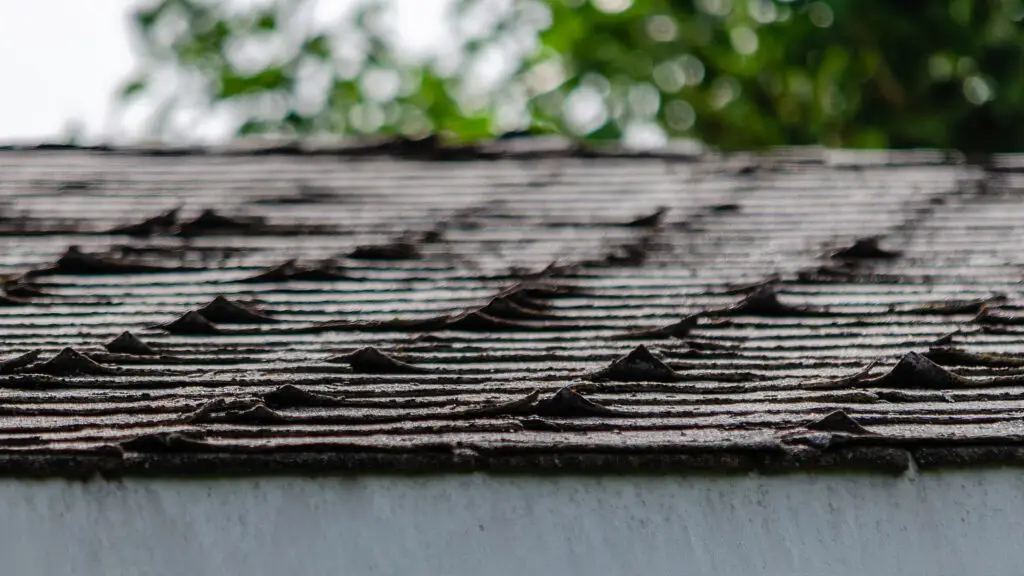
Georgia summers create ideal conditions for heat damaged shingles. Prolonged high temperatures, intense UV exposure, and humidity gradually break down asphalt shingles over time, rather than causing immediate failure. As the asphalt dries out, shingles become brittle, lose protective granules, and begin to curl, blister, or crack. Because this process happens gradually, many homeowners don’t notice a problem until a roof leak develops.
Fortunately, summer roof damage usually leaves visible warning signs before water reaches your home’s interior. Granules accumulating in gutters, blistered or curling shingles, cracked tabs, uneven fading, and sections of the roof that appear more weathered than others are all common indicators that excessive heat has taken a toll. Identifying these issues early often allows for targeted repairs that can extend the roof’s lifespan and avoid more expensive issues, such as a leak or mold remediation.
If you’re unsure whether your roof has been affected by heat damaged shingles, scheduling a roof inspection is the best way to assess its condition. All Seasons Roofing provides free estimates that include a thorough inspection to identify heat-related wear, ventilation concerns, and other potential roofing issues before fall storms arrive.
Asphalt shingles are built to handle weather, but West Georgia gives them a workout. On a sunny 95-degree day, a dark shingle surface can run far hotter than the air temperature. That heat gradually cooks the oils out of the asphalt. Dry asphalt is brittle and becomes prone to failures, such as cracking and increased shedding.
Three local factors make summer roof damage worse here. First is thermal cycling. Shingles expand in the afternoon heat and contract as they cool overnight. The daily movement heavily stresses the sealant strips and nail lines. Second is our humidity, which keeps attics damp and slows the roof’s ability to shed moisture. Third is the pattern of a pop-up thunderstorm dumping cool rain on a scorching roof. That sudden temperature swing, sometimes called thermal shock, can split heat damaged shingles.
Sun exposure itself is typically unevenly distributed. South and west facing slopes in Carrollton take the brunt of the afternoon sun, which is why one side of a roof often ages years faster than the other. If your home sits on an open lot without shade, expect that difference to be even more noticeable.
You can identify most warning signs of heat damaged shingles from the ground with a pair of binoculars, no ladder required. Walk the perimeter of your house and look for the following.
Granules are the sandpaper-like coating that shields the asphalt from UV rays. Some shedding is normal, especially on a new roof, but heavy black grit in your gutters, downspout splash blocks, or driveway means the protective layer is wearing thin. Once bare spots appear, UV exposure accelerates, and the shingle’s integrity begins to degrade rapidly. Heavy shedding is one of the earliest signs of asphalt shingle heat damage.
Blisters look like small bubbles or pockmarks on the shingle surface. They form when moisture trapped inside the shingle heats up and expands. When blisters pop, they leave exposed spots that age quickly. Blistering often points to an attic ventilation problem, which then causes blisters. It’s worth remembering when you plan the fix, lest you have another blistering issue.
Edges that turn upward, downward, or have visible surface cracks all signal that the asphalt has dried out and shrunk. Curled shingles no longer lie flat, meaning wind can get underneath them. A shingle that summer heat has weakened is far more likely to tear off during bad weather and heavy winds.
Faded streaks, dark patches, or one slope that looks noticeably more worn than the rest usually trace back to sun exposure or trapped attic heat. Discolored shingles are a common problem our repair team sees, along with missing shingles and flashing issues, covered on our roof repair page.
Every asphalt roof sheds some granules and fades a little over the years, so don’t panic at the first sign of wear. The difference is pace and pattern. Normal aging happens evenly across the whole roof over decades. Heat damaged shingles are typically concentrated on sun-facing slopes and appear as clusters of blisters, cracks, or bare spots on a roof that may only be 10 or 15 years old.
Age changes the math too. If your roof is under 15 years old and the damage is limited to one area, a repair is usually the right call. If it’s older than 20 years, curling across multiple slopes, or leaking in more than one spot, replacement typically makes better financial sense than chasing repairs. An honest contractor will walk the roof, document what they find, and show you photos alongside an explanation of the severity of damage.
Plenty of summer roof damage actually starts under the shingles. When an attic can’t expel hot air, temperatures inside can soar well above the outdoor reading, and your shingles get cooked from both sides. Poor ventilation also traps humid air, allowing moisture to seep into your shingles and cause blistering. Blisters can even shorten the life of your decking. Manufacturers take this seriously, and GAF’s guidance on attic and roof ventilation explains how a balanced system protects the roof. Inadequate ventilation can even affect some manufacturer warranty coverage.
Signs your attic runs too hot are easy to spot from inside the house: some upstairs rooms never cool down, air conditioning bills climb every summer, or insulation feels damp. Ridge vents paired with soffit vents are the fix we recommend most, because they pull fresh air low and exhaust superheated air at the peak. All Seasons Roofing installs ridge venting and includes free ridge vent installation with a new roof purchase. Our FAQ page covers ventilation options in greater detail.
Timing matters in Georgia. Late summer is the smart window for a Carrollton roof inspection, after the worst heat has done its work but before fall storms expose failure points in heat damaged shingles to the elements. The National Roofing Contractors Association encourages regular professional inspections rather than waiting for a leak, and that advice fits our climate well.
A thorough inspection covers granule condition, sealant bond, flashing around chimneys and valleys, signs of heat damage to asphalt shingles on sun-facing slopes, attic ventilation performance, and the decking beneath. All Seasons Roofing is a family-owned roofing company that has served Carrollton, Temple, Bremen, Douglasville, Villa Rica, and the broader West Georgia area for over 30 years. Every free estimate we provide starts with exactly this kind of inspection, followed by a written estimate within a few business days.
Heat alone rarely destroys a healthy roof in one season, but it accelerates everything. A roof with marginal ventilation or aging shingles can lose years of service life to a few brutal summers, and summer roof damage often turns into leaks when fall rain arrives.
Usually not. Insurers treat heat damaged shingles as gradual wear and tear, which most policies exclude. Storm damage is treated differently, and because heat-weakened shingles fail more easily in storms, documentation matters. We work with insurance companies regularly and can give you honest advice about what qualifies before you file a claim.
It depends on age and spread. Localized blistering or a few cracked shingles on a younger roof is repairable. Heavily heat damaged shingles however, can call for heavier intervention. Widespread curling, heavy granule loss, or a roof past the 20-year mark usually calls for a complete residential roof replacement, which our crews typically complete in one to two days.
You don’t have to guess what this summer did to your roof. A quick inspection now gives you a clear picture, written estimate, and time to fix small problems while they’re still small. All Seasons Roofing backs its work with a 5-year labor warranty on top of the manufacturer’s warranty, and we treat every roof like it’s on our own house. Reach out to All Seasons Roofing Inc. for your free Carrollton roof inspection and estimate, and head into fall knowing exactly where your roof stands.

Kail Singleton is taking over the reins at All Seasons Roofing Inc., the family roofing company his father founded, and he works side by side with him on projects across the region. Based in Carrollton, Georgia, All Seasons Roofing serves homeowners and businesses across West Georgia and East Alabama, including Temple, Bremen, Douglasville, and Villa Rica. The company handles roof repairs, full replacements in asphalt shingle, metal, tile, and cedar shake, new construction roofing, storm inspections, and emergency service, with an emphasis on Class 4 impact-resistant materials built to stand up to hail. Drawing on the company’s thirty years of roofing experience, Kail believes in honest answers over sales pressure: if a roof only needs a repair, that is exactly what the team will recommend. He stays directly involved in every job to keep quality standards high.